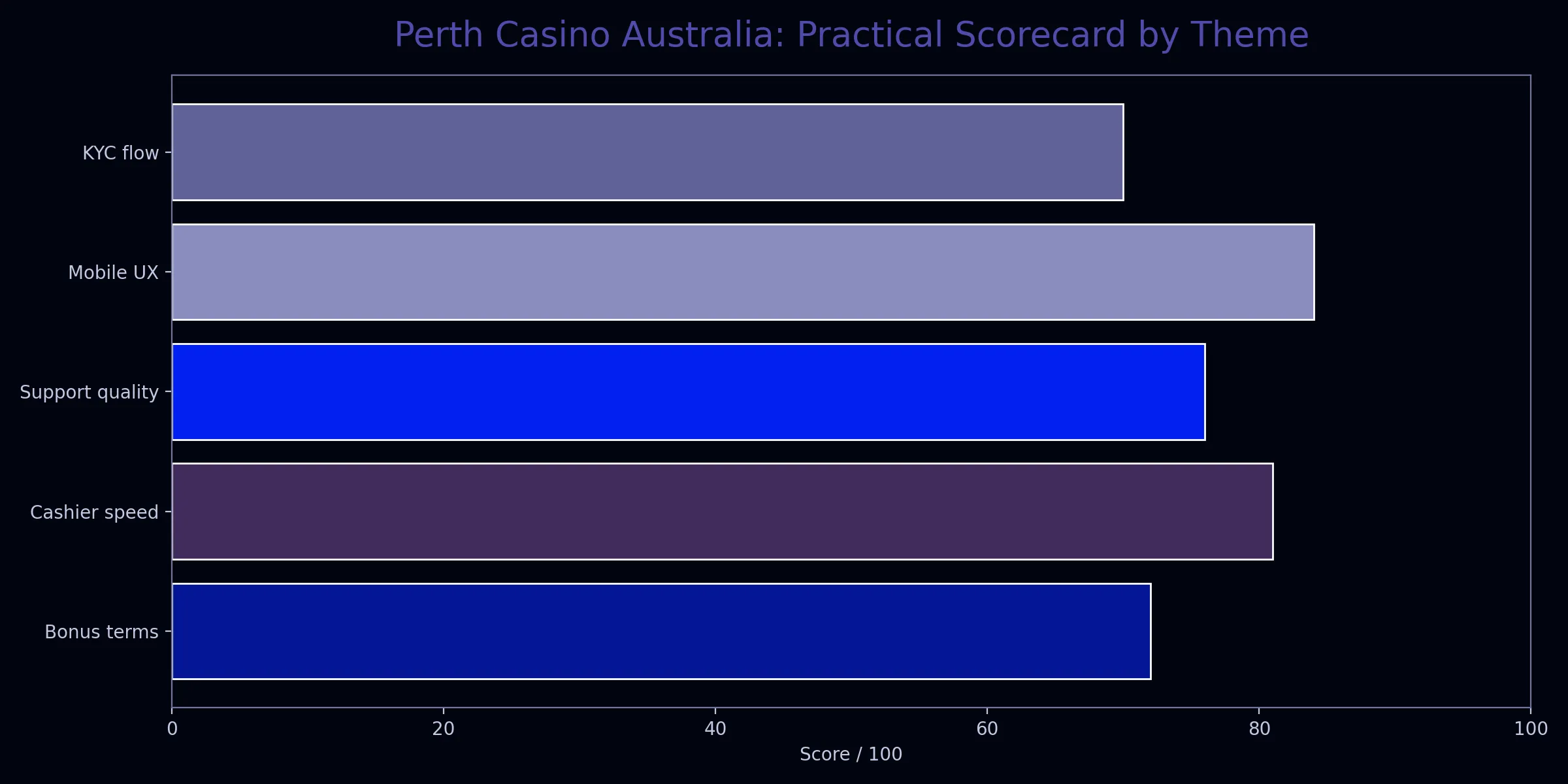
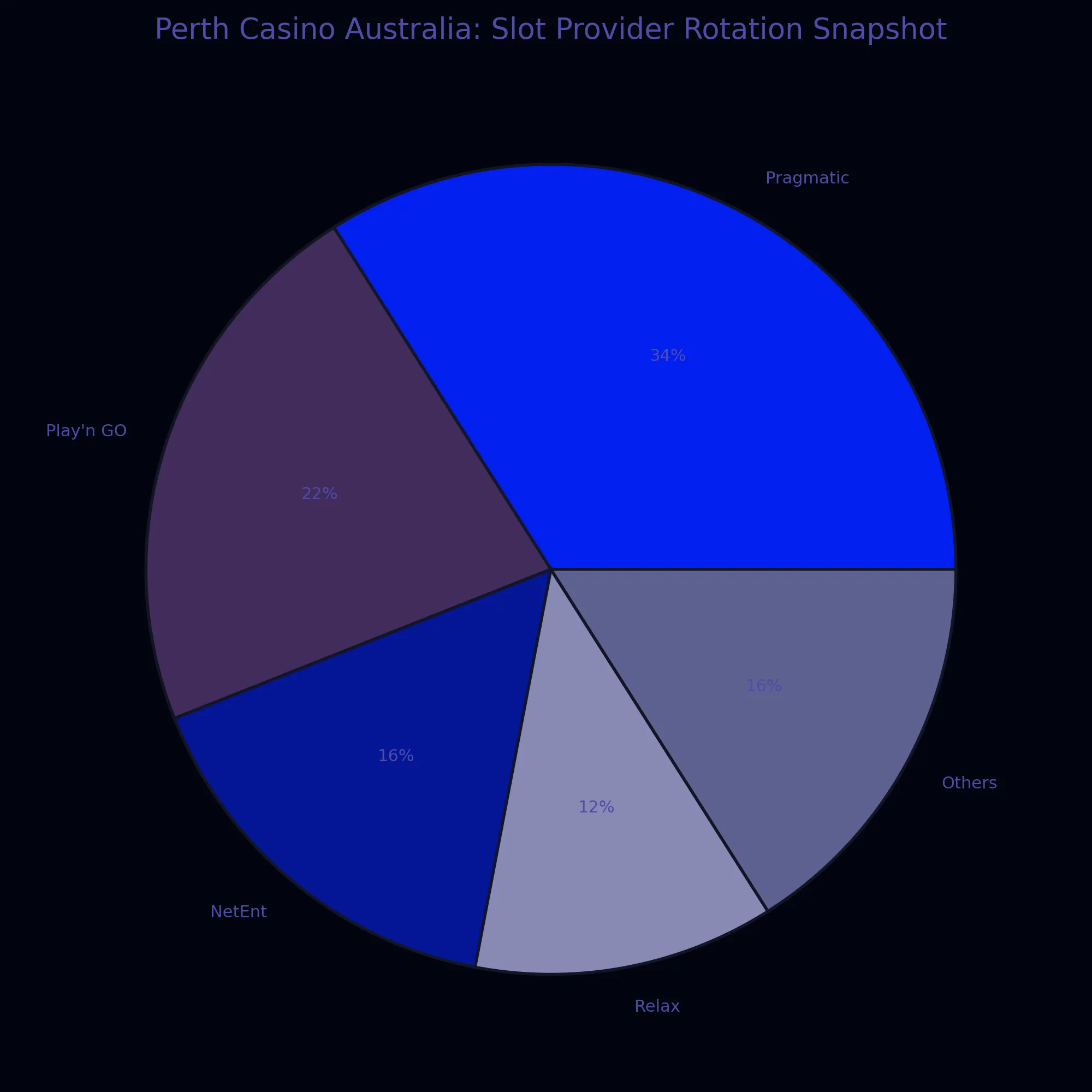
This is the day-by-day field log from my five-stage verification cycle: setup, bonus pressure, withdrawal timing, support stress test, and repeatability check.
Day 1 - Setup and first controlled deposit
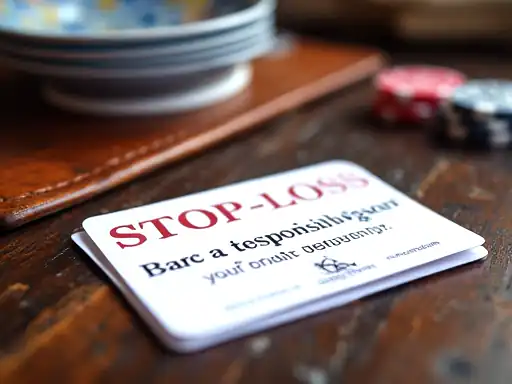
I started with a small setup bankroll and treated the session like a lab test, not a race. The first goal was to confirm that account settings, currency handling, and payment method selection were clean before chasing any upside. I logged every click in the cashier, checked whether support contacts were visible without digging through hidden menus, and took screenshots of terms relevant to withdrawal behavior. The practical lesson from day one was simple: speed begins before gameplay. Players who prepare documents early and keep method consistency reduce payout friction later. I also set hard stop rules before opening a single slot, because discipline is easier at the beginning than in the middle of a heated run.
By the end of the first day I had a baseline for navigation clarity, transaction visibility, and the emotional pace of the lobby. I deliberately avoided overplaying bonus-heavy titles because that can hide structural problems under short-term excitement. Instead, I rotated one steady slot and one high-volatility title to observe balance swings under fixed stake limits. The key takeaway was that process quality matters more than momentary hit rate. If your setup is sloppy, a good win can still turn into a delayed and stressful payout cycle. That is why day one should always be a verification day: low pressure, clear records, no heroic bets, and no chasing.
Day 2 - Bonus run and wagering pressure test
The second day focused on bonus mechanics under real session pressure. I activated an offer, mapped wagering requirements in plain numbers, and tracked max-bet boundaries every ten spins. This is where many players silently lose edge: they remember the headline percentage but forget the restriction logic that controls final withdrawability. I treated each spin block as a measurable unit and paused after every segment to ensure no rule drift occurred. I also switched games at planned intervals instead of waiting for frustration to force a change. That one habit prevented the classic spiral where players increase stakes to recover time and accidentally violate bonus conditions.
Support relevance also became obvious on day two. I drafted a structured message template with transaction references and game timestamps in case of disputes, because vague complaints usually produce vague responses. The run confirmed that bonus value is real only when behavior stays mechanical and documented. Emotion-driven bonus play looks exciting but often reduces effective value through avoidable errors. My practical recommendation is to pre-write your bonus checklist before activation: allowed games, max stake, expiry window, and stop-loss threshold. If even one item is unclear, postpone activation. Better to miss one promo than trigger a payout conflict after hours of wagering.
Day 3 - Withdrawal workflow and pending window analysis
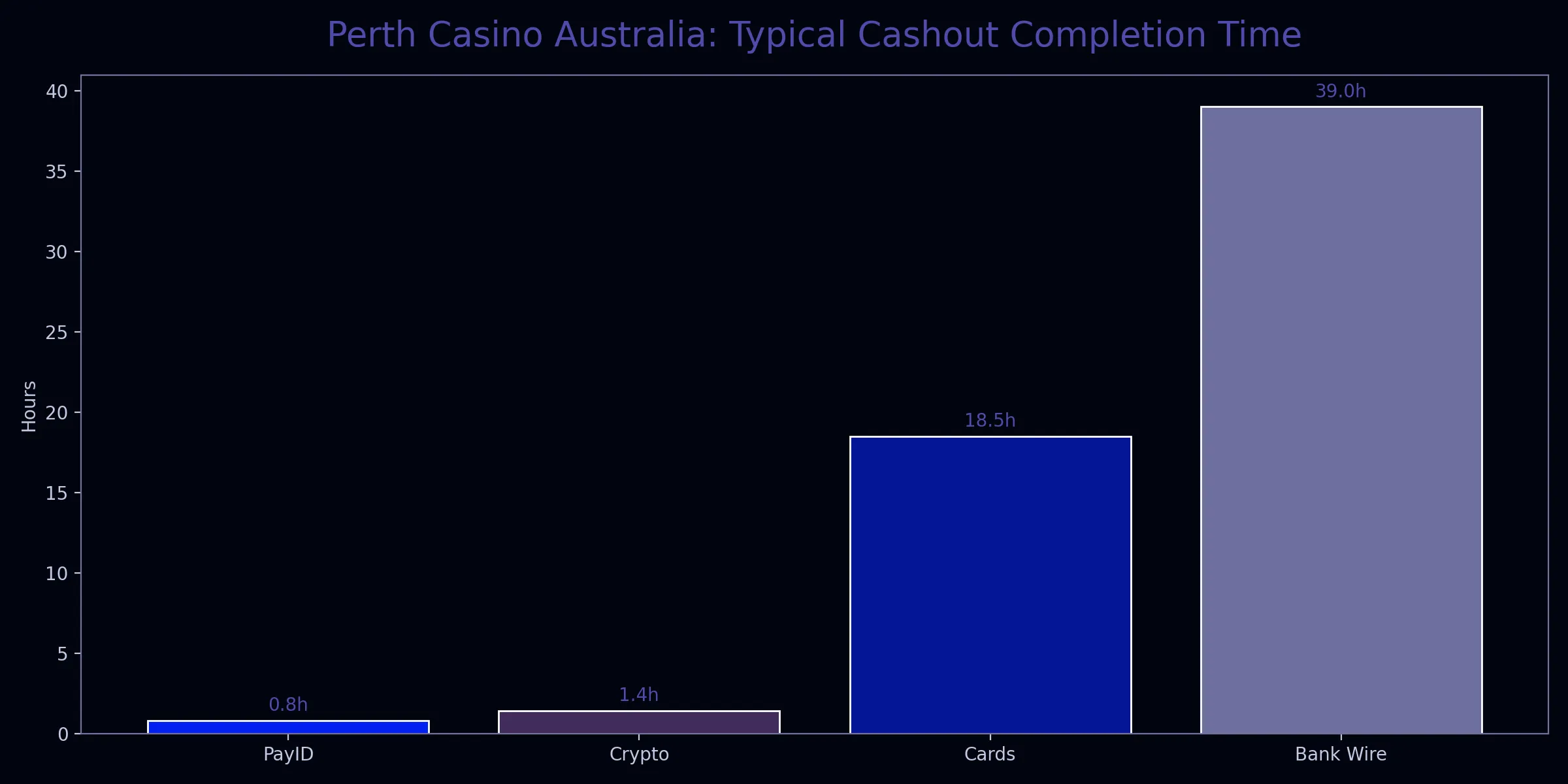
Day three was dedicated to payout workflow. I submitted a staged withdrawal request and measured each status transition from request time to review acknowledgment. The objective was not to prove instant cashout claims, but to map realistic behavior under normal compliance checks. I verified whether method matching was respected, whether support could confirm review stage without scripted noise, and whether transaction logs remained stable across session refreshes. This day reinforced a critical point for Australian players: transfer rails can be fast, but internal review still controls real completion time. Your preparation quality determines whether that review is smooth or repetitive.
I also tested escalation tone by sending one concise, evidence-based follow-up instead of multiple emotional messages. The difference in response quality was immediate. Clear tickets with IDs, timestamps, and exact issue statements move better than broad complaints. For players, this means payout strategy is communication strategy as much as method choice. Keep a simple payout pack ready: account status screenshot, transaction number, selected rail, and last verified document date. When pending windows stretch, that pack turns guesswork into a precise support interaction. In practical terms, calm documentation is a bankroll protection tool.
Day 4 - Support interaction and issue simulation
The fourth day simulated common failure modes: delayed bonus credit signal, uncertain round reconciliation, and ambiguous support routing. I was testing process resilience, not only happy-path performance. I logged first response time, relevance of answers, and whether guidance was actionable for a real player under stress. Good support is not measured by polite tone alone; it is measured by concrete next steps, ownership of the ticket, and realistic timelines. I compared responses to my pre-built evidence notes and checked if escalation paths remained consistent across channels.
The strongest insight from day four was that preparation dramatically lowers emotional damage during bugs. Players who capture game ID, amount, and exact event time can escalate fast and avoid circular conversations. Players without records usually get generic replies and lose confidence. I also noted that short, structured messages outperform long, angry threads. If something breaks, switch from gameplay mode to incident mode: stop spinning, collect facts, file one clean request, and wait for a bounded response window before sending a follow-up. This approach protects both your bankroll and your focus.
Day 5 - Repeatability check and final practical verdict
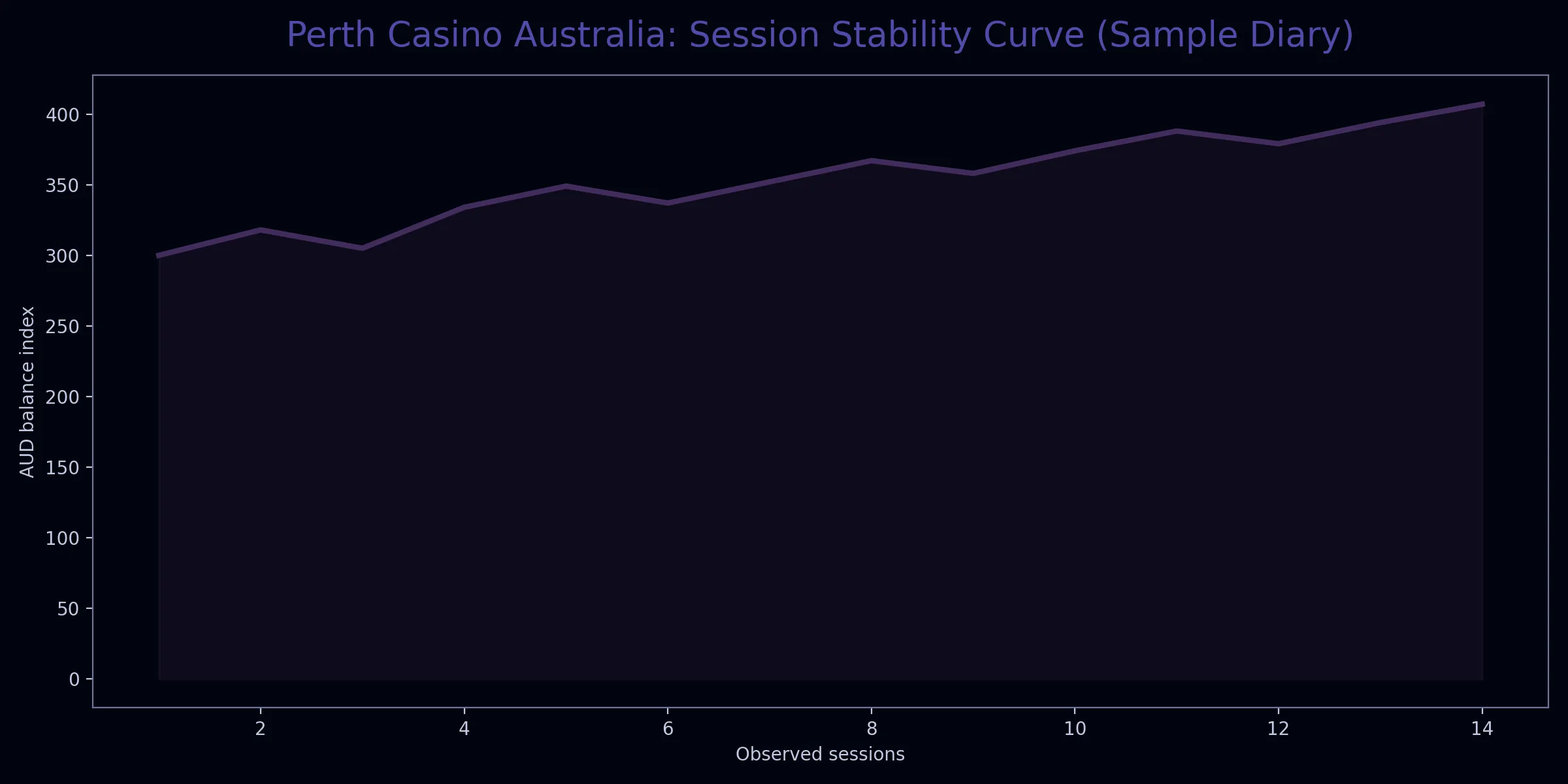
The final day repeated core actions under a fresh session context to test repeatability. I rechecked cashier visibility, support accessibility, and gameplay pacing after a reset, because one good or bad night is not enough for a fair verdict. The platform remained usable under disciplined play, but the same rule held across every day: outcomes improve when the player runs a process instead of chasing momentum. I confirmed that controlled staking and pre-planned exits kept variance manageable and reduced tilt exposure, especially after near-miss streaks in high-volatility titles.
My final verdict is operational, not promotional. The brand can work well for Australian players who value structure, evidence logging, and realistic payout expectations. It is a poor fit for impulsive sessions built on bonus hype alone. If you adopt one habit from this diary, make it this: set your withdrawal plan before your first deposit, then execute every session against that plan. That single shift turns random gambling behavior into accountable entertainment. Over time, process discipline compounds into better decisions, cleaner support outcomes, and fewer expensive mistakes.